


Over 70 percent of coffee lovers in american households now seek machines that go beyond simple brewing, thanks to rapid leaps in smart technology. The latest generation of coffee machines is delivering precise customization, advanced connectivity, and eco-friendly features that redefine how we enjoy our daily cup. With breakthroughs in sensor integration and real-time data analysis, these intelligent devices are setting new standards for both taste and convenience.
Table of Contents
- Defining 2025 Coffee Machine Technology Innovations
- Emerging Smart Features And Connectivity
- Sustainability And Eco-Friendly Design Trends
- Precision Brewing And Extraction Advancements
- Comparing Traditional And Modern Machine Upgrades
Key Takeaways
| Point | Details |
|---|---|
| Technological Innovation | Coffee machines in 2025 will leverage data-driven innovations for personalized brewing experiences and precise extraction techniques. |
| Smart Connectivity | Next-generation coffee machines will feature advanced IoT integration enabling remote control and real-time monitoring through mobile applications. |
| Sustainability Focus | The industry is shifting towards eco-friendly designs, incorporating recyclable materials and energy-efficient brewing mechanisms. |
| Precision Brewing | Manufacturers are enhancing flavor extraction with real-time data analysis and automated adjustments to brewing parameters for optimal results. |
Defining 2025 Coffee Machine Technology Innovations
The coffee machine landscape in 2025 is experiencing a profound technological transformation, driven by data-driven innovations that promise to revolutionize brewing precision and personalization. According to research from arxiv.org, a groundbreaking data-driven framework is emerging that combines advanced analytical methods to solve the complex inverse problem of espresso extraction.
This innovative approach enables unprecedented levels of personalized brewing, integrating smart technology directly into coffee machine systems. The research introduces a methodology that allows machines to dynamically adjust extraction parameters based on individual preferences, bean characteristics, and real-time brewing conditions. By leveraging sophisticated numerical solutions like the RBF Collocation Method highlighted in another arxiv study, manufacturers are creating digital twin technologies that enhance espresso extraction modeling with remarkable accuracy and robustness.
Key technological innovations for 2025 coffee machines include:
- Advanced sensor integration for precise temperature and pressure control
- Machine learning algorithms that adapt brewing parameters in real-time
- Digital twin technologies for predictive maintenance and optimization
- Personalized brewing profiles stored and transferable across devices
These developments signal a shift from traditional brewing approaches to intelligent, adaptive coffee preparation systems that can learn and evolve with each brewing cycle. For coffee enthusiasts seeking to understand these emerging technologies in depth, our guide to espresso machine terminology offers comprehensive insights into the technical language driving these innovations.
Emerging Smart Features and Connectivity
The coffee machine industry is undergoing a radical transformation with smart connectivity becoming the cornerstone of next-generation brewing technologies. According to Japan Technology Journal, the global automatic coffee machine market is projected to reach USD 7 billion by 2035, driven by unprecedented IoT integration and advanced customization features.
These emerging smart features represent a quantum leap in home and professional coffee preparation. Modern coffee machines now integrate intelligent networking capabilities that allow users to control brewing parameters remotely through smartphone applications. Advanced models can now communicate brewing data, track maintenance schedules, and even learn individual user preferences through machine learning algorithms. This level of interconnectivity transforms coffee machines from simple appliances into sophisticated, adaptive brewing systems.
Key smart connectivity features for 2025 include:
- Wi-Fi and Bluetooth enabled brewing control
- Mobile app integration for remote brewing and monitoring
- Personalized brewing profile synchronization across devices
- Automatic firmware updates for continuous performance improvements
- Energy consumption tracking and optimization
For coffee enthusiasts looking to explore the technical nuances of these emerging technologies, our guide to espresso machine terminology provides an in-depth exploration of the language and concepts driving these innovations. As smart technologies continue to evolve, coffee machines are no longer just brewing devices but intelligent companions in the culinary experience.
Sustainability and Eco-Friendly Design Trends
The coffee machine industry is experiencing a transformative shift towards eco-conscious engineering, with sustainability becoming a critical driver of technological innovation. According to Fat Piggy Vending, the industry is witnessing a profound transition towards sustainable solutions that optimize flavor extraction while minimizing environmental impact.
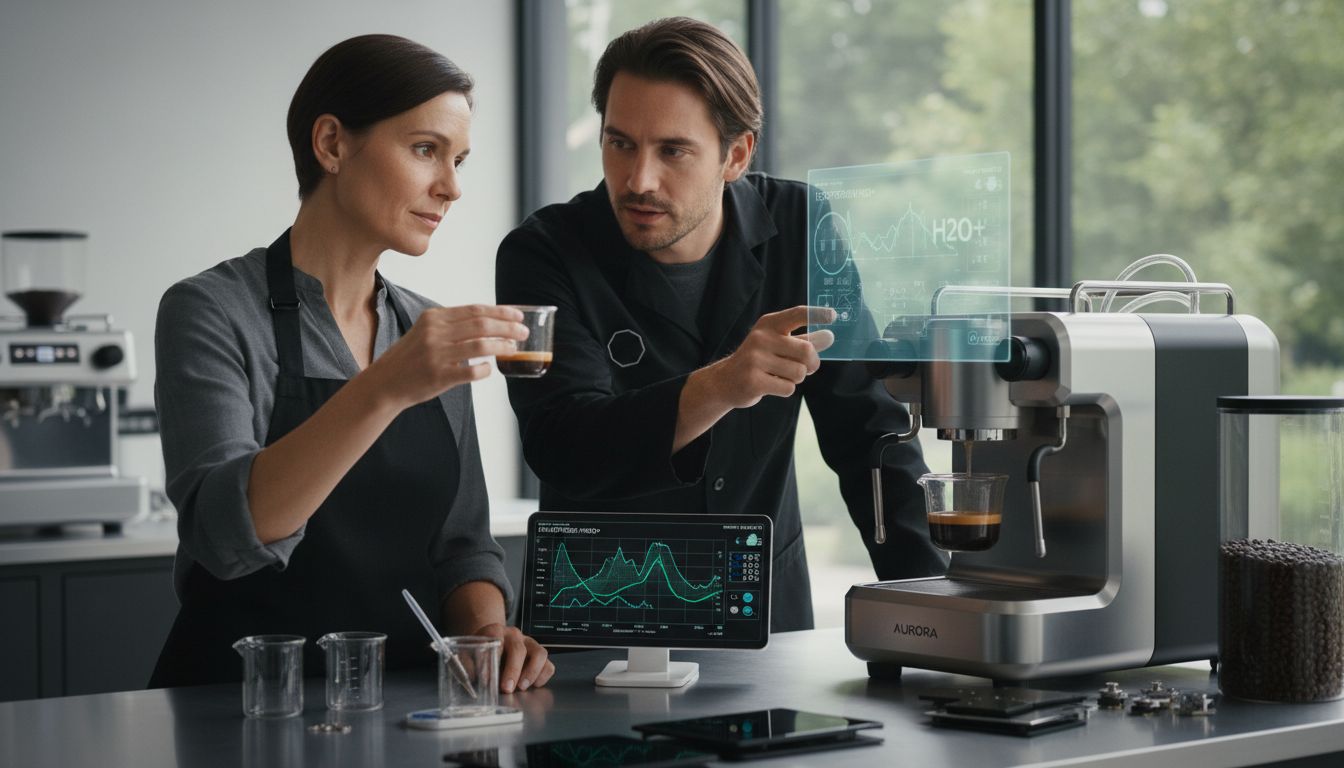
Manufacturers are implementing sophisticated design strategies to reduce energy consumption and waste. Research from Accio highlights that advanced robot coffee machines are now achieving a remarkable 20% reduction in energy consumption through precision brewing technologies. This trend reflects a broader commitment to creating more environmentally responsible coffee preparation systems that balance performance with ecological considerations.
Key sustainability features emerging in 2025 coffee machine design include:
- Recyclable and biodegradable machine components
- Low-energy brewing mechanisms
- Smart sensors that optimize water and energy usage
- Modular designs enabling easier repair and component replacement
- Integrated carbon footprint tracking capabilities
For coffee enthusiasts interested in understanding the technological nuances behind these eco-friendly innovations, our types of espresso machines guide provides comprehensive insights into sustainable coffee machine engineering. As environmental consciousness grows, these innovations represent more than technological advancements—they symbolize a collective commitment to responsible consumption and innovative design.
Precision Brewing and Extraction Advancements
The frontier of coffee machine technology in 2025 is defined by unprecedented extraction precision, transforming how we understand and experience coffee brewing. According to Tea Coffee Lovers, manufacturers like La Marzocco and Victoria Arduino are pioneering programmable pressure profiles and advanced temperature control systems that enable baristas to fine-tune extractions with extraordinary accuracy.
Scientific research is now providing quantitative methods to bridge the gap between chemical properties and sensory experience. Groundbreaking research from arxiv.org demonstrates that cyclic voltammetry can now measure the ensemble strength of a coffee beverage and assess roast color, offering an unprecedented level of analytical insight into brewing dynamics. This technological leap allows coffee machines to move beyond traditional brewing parameters, creating a more scientific approach to flavor extraction.
Key precision brewing advancements for 2025 include:
- Microsecond-level pressure modulation
- Real-time chemical composition analysis
- Machine learning-driven extraction optimization
- Adaptive temperature control within 0.1°C precision
- Automated flavor profile mapping
For coffee enthusiasts eager to dive deeper into the intricacies of espresso extraction, our complete espresso extraction overview provides comprehensive insights into these cutting-edge technologies. As brewing science continues to evolve, these precision advancements represent more than technological innovations—they’re redefining our fundamental understanding of coffee preparation.
Comparing Traditional and Modern Machine Upgrades
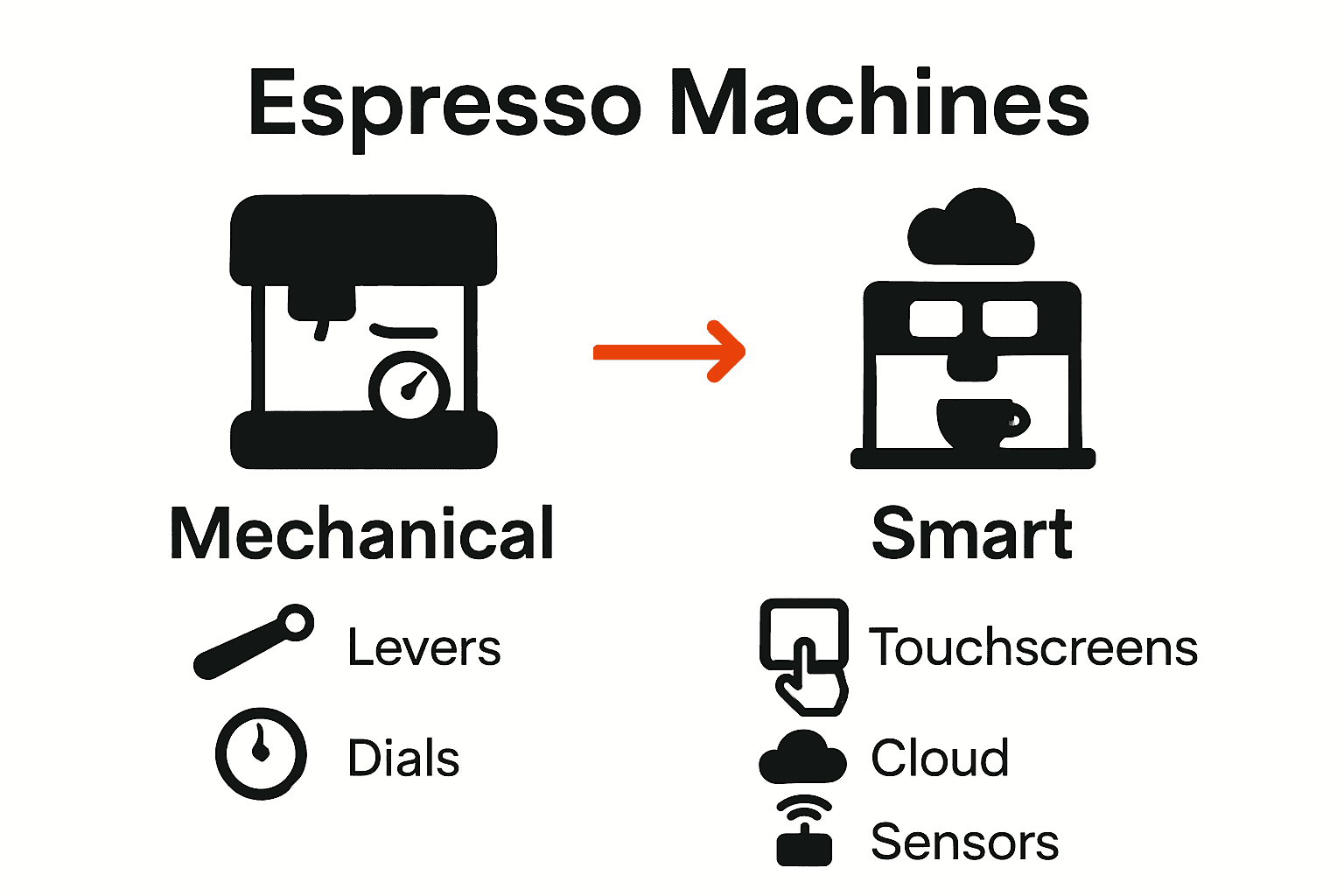
The evolution of espresso machines represents a fascinating journey from manual craftsmanship to technological sophistication. According to Wikipedia, the historical progression of espresso machines reveals a remarkable transformation in brewing technologies, highlighting the significant leap from traditional lever-operated devices to contemporary smart brewing systems.
Technological convergence has fundamentally reshaped coffee machine design, bridging the gap between classic brewing principles and cutting-edge digital innovations. While traditional machines relied entirely on manual skill and mechanical precision, modern upgrades integrate advanced sensors, machine learning algorithms, and real-time data processing. This shift enables unprecedented control over extraction parameters, temperature consistency, and flavor profiling that was previously unimaginable in manual brewing environments.
Key differences between traditional and modern coffee machine upgrades include:
- Mechanical vs. digital pressure regulation
- Manual temperature control vs. precision electronic monitoring
- Limited brewing consistency vs. repeatable extraction profiles
- Fixed brewing parameters vs. adaptive learning algorithms
- Standalone operation vs. network-connected smart systems
For coffee enthusiasts looking to explore the nuanced world of machine upgrades, our guide to La Pavoni machine upgrades provides comprehensive insights into transforming classic machines with modern technological enhancements. The future of coffee brewing is not about replacing tradition, but intelligently augmenting it with precision engineering.
Unlock Precision Brewing with Advanced Coffee Machine Upgrades
The 2025 trends reveal a clear challenge for coffee lovers and professionals alike: how to embrace smart connectivity, precision extraction, and eco-friendly design without losing the soul of traditional brewing. You want a machine that adapts to your unique taste, optimizes every shot, and helps you brew consistently at home or in your café. At the heart of this transformation lies advanced sensor integration and real-time control—concepts like adaptive learning algorithms and microsecond-level pressure modulation that can feel out of reach without the right equipment.

Take your brewing to the next level by exploring high-quality accessories and custom upgrades designed to improve temperature accuracy, pressure stability, and overall machine performance. Whether you own a classic La Pavoni or seek smart retrofits for an Olympia Cremina, our curated selection at Coffee Sensor matches the cutting-edge innovations described in the latest research. Discover how precision components can bring the future of coffee technology into your hands today. Start your upgrade journey with our expert guides like elevate your espresso experience and deepen your technical knowledge with the espresso machine terminology 2025.
Don’t wait to make every cup remarkable. Visit Coffee Sensor and equip your machine with the exact parts and enhancements that the future of coffee demands.
Frequently Asked Questions
What are the key innovations in coffee machines for 2025?
Key innovations include advanced sensor integration for precise temperature and pressure control, machine learning algorithms for real-time parameter adjustments, digital twin technologies for predictive maintenance, and personalized brewing profiles.
How do smart features improve the coffee brewing experience?
Smart features allow users to control brewing parameters remotely, communicate brewing data, track maintenance schedules, and learn individual preferences, transforming coffee machines into intelligent, adaptive brewing systems.
What sustainability features are being implemented in coffee machine designs for 2025?
Sustainability features include recyclable and biodegradable components, low-energy brewing mechanisms, smart sensors to optimize water and energy usage, and modular designs for easier repairs.
How does precision brewing technology enhance coffee extraction?
Precision brewing technology allows for microsecond-level pressure modulation, real-time chemical composition analysis, and adaptive temperature control, which leads to improved flavor profiling and consistency in coffee extraction.
Recommended
- Complete Guide to Espresso Machine Terminology 2025 – Coffee Sensor
- 7 Types of Espresso Machines and How to Choose the Best – Coffee Sensor
- What Is a Commercial Espresso Machine? Complete Guide – Coffee Sensor
- Best Refurbished Espresso Machines – Expert Comparison 2025 – Coffee Sensor
- Future of Diesel Engines in 2025: What Technicians Need to Know – My WordPress


